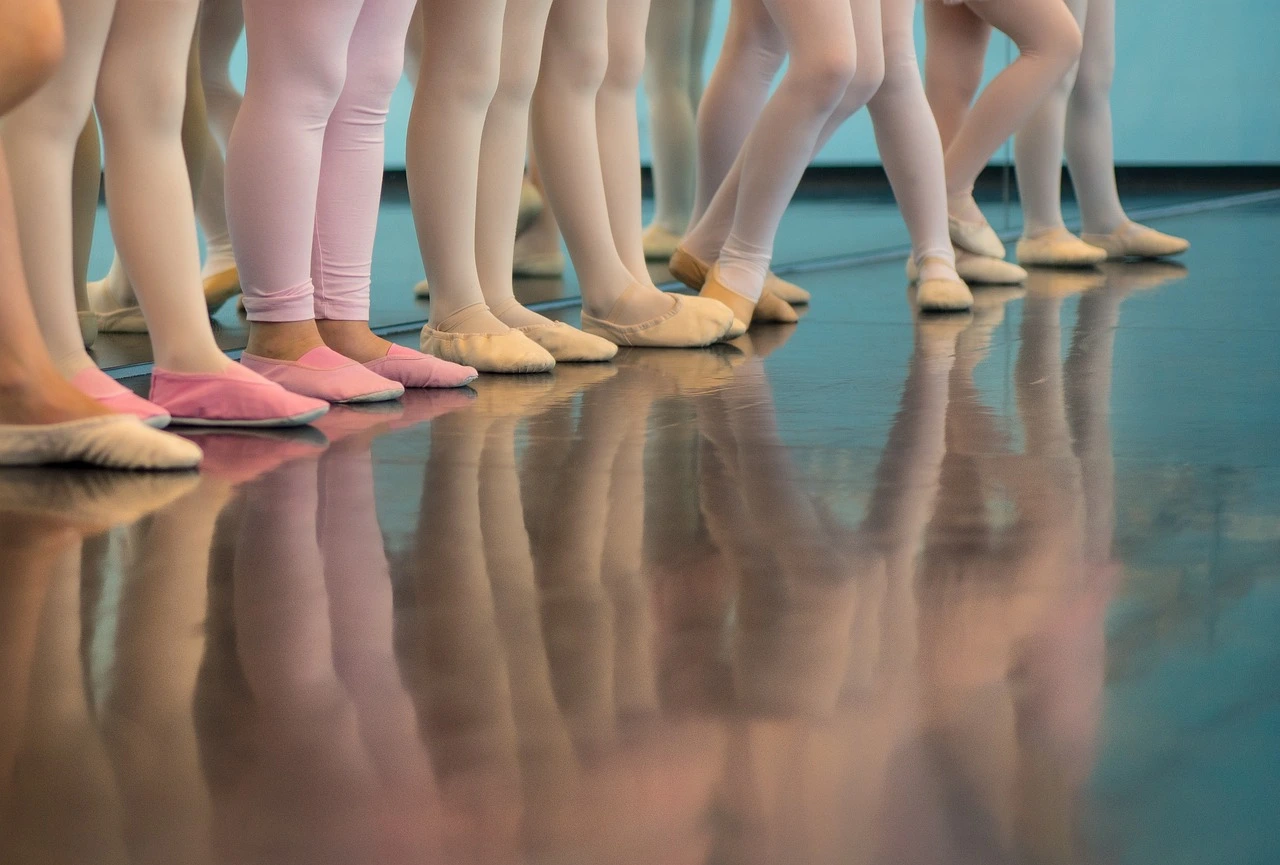
Understanding Ballet Technique: The Importance of Turnout
Proper Ballet Technique is essential for every dancer aiming to improve their skills. This blog will explore the significance of turnout, the mechanics of placement, and practical exercises to improve your ballet skills.
Introduction to Proper Ballet Technique
Proper Ballet Technique is the foundation for every dancer. It not only improves performance but also helps prevent injuries. One of the core aspects of this technique is turnout, which plays a significant role in stability and aesthetics.

Understanding Turnout
Turnout refers to the outward rotation of the legs from the hips. This position is vital for achieving the beautiful lines seen in ballet. It allows dancers to perform movements more effectively and with greater ease.
There are three primary reasons why turnout is essential:
- Stability: Turnout provides a stable base for all movements.
- Aesthetic Quality: It contributes to the graceful appearance of ballet.
- Muscle Development: Proper turnout promotes balanced muscle growth and alignment.
The Importance of Stability in Turnout
Stability is the main reason for turnout. When dancers rotate their legs outward, they create a strong foundation. This foundation allows for better balance and control during various movements.
Without proper turnout, dancers may struggle with balance, making it difficult to perform complex steps. This instability can lead to injuries and hinder overall performance.
Engaging the Gluteal Muscles
Engaging your gluteal muscles is crucial for achieving proper turnout. These muscles provide support and stability during movements. To engage your glutes effectively, follow these steps:
- Stand with your feet in first position.
- Squeeze your gluteal muscles tightly.
- Ensure your knees are aligned with your toes as you turn out.
By activating these muscles, you’ll improve your balance and strength. This engagement helps you maintain turnout throughout your dance movements.
Turnout: The Key to Everything
Turnout is a fundamental aspect of Ballet. When turnout is established, everything else falls into place. Think of it as the framework that supports all movements in ballet. Without proper placement, even the most skilled dancer can struggle with execution.
The first step in understanding turnout and placement is recognizing your body’s alignment. The alignment of your hips, shoulders, and legs creates a balanced structure that allows for fluid movement. It’s essential to engage your core and gluteal muscles to maintain this alignment.
The Role of Abs and Hip Alignment
Your abdominal muscles play a crucial role in maintaining proper placement. Engaging your abs helps pull your hips into a neutral position. This positioning is vital for achieving stability and control during movements.
Practicing Pirouettes with Proper Placement
When practicing pirouettes, proper placement is crucial for achieving successful rotations. Begin by ensuring your body is aligned before executing the turn. Engage your abs and glutes to maintain control throughout the movement.
As you prepare for the pirouette, focus on your standing leg. It should be straight and strong, providing the necessary support for the turn.
Understanding Developpe and Its Mechanics
Developpe is a beautiful and essential movement in ballet that showcases a dancer’s strength and control. Understanding the mechanics of this move is crucial for executing it properly. At its core, developpe involves the gradual unfolding of the leg from a position, typically starting from fifth or first position, to extend it gracefully into the air.
To perform a developpe correctly, it is vital to engage your core and gluteal muscles. This engagement helps maintain balance and provides the necessary support for the leg as it moves through its various positions.
The Importance of Straight Legs in Ballet
Straight legs are a fundamental element of Proper Ballet Technique. They not only enhance the overall aesthetics of movements but also play a crucial role in maintaining balance and control. When executing any ballet movement, especially developpe, straight legs contribute to the dancer’s ability to project strength and grace.
Here are some key reasons why straight legs matter in ballet:
- Aesthetics: Straight legs create the beautiful lines that are characteristic of ballet, enhancing the visual appeal of performances.
- Alignment: Straight legs ensure proper alignment of the body, which is essential for executing steps correctly.
- Support: A straight leg provides a stable base, allowing for better control during complex movements.
Final Thoughts on Proper Ballet Technique
Mastering Proper Ballet Technique, including aspects like turnout, placement, and straight legs, is essential for every dancer. These foundational elements not only improve performance but also help in preventing injuries. Dancers should focus on engaging their core and gluteal muscles to enhance stability and control.
As you continue your ballet training, remember that practice is key. Regularly working on your technique will lead to improvements over time. It’s also beneficial to seek feedback from instructors and peers to refine your skills further. The journey to mastering ballet is ongoing, and every dancer can achieve their goals with dedication and hard work.